
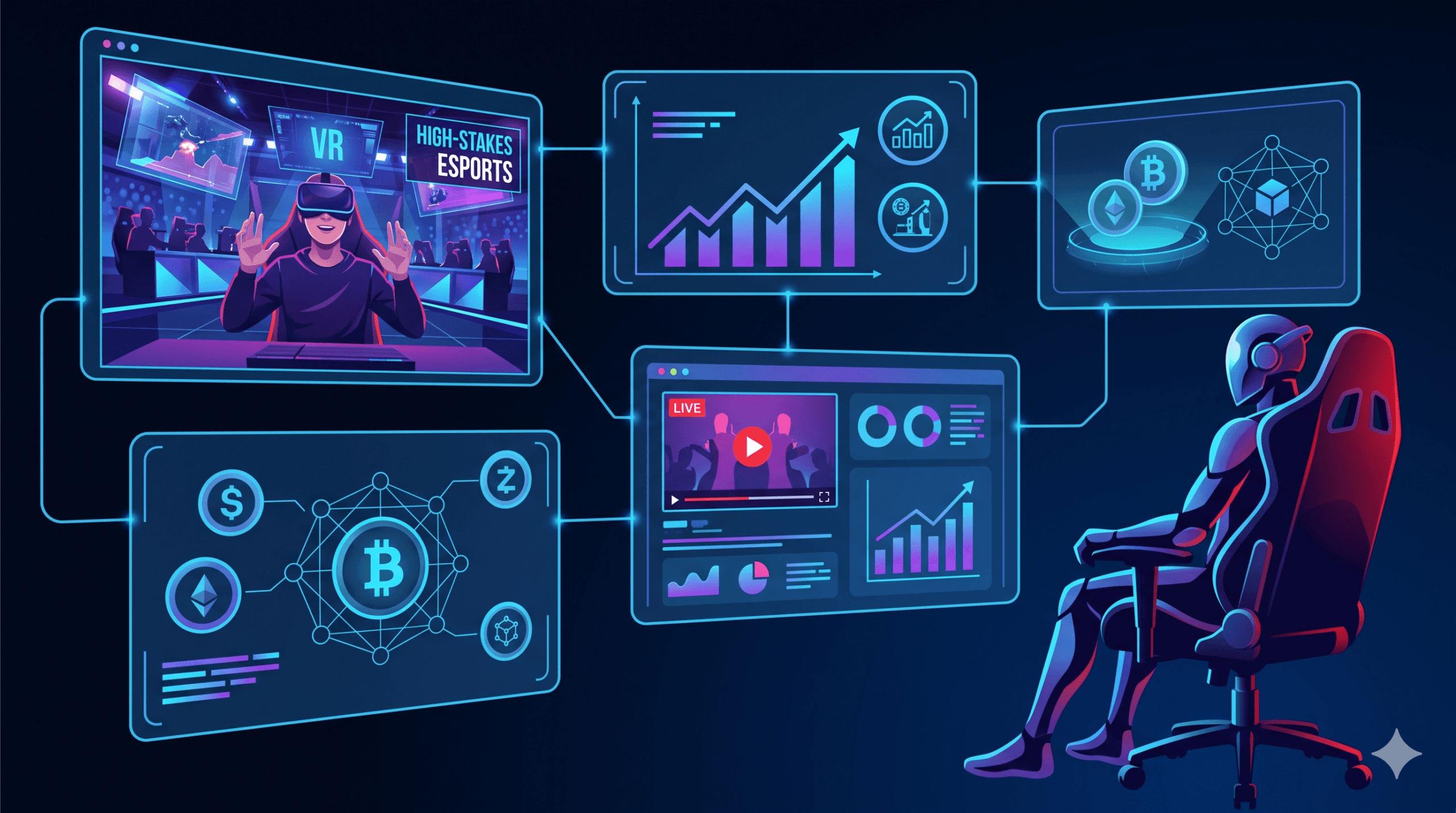
From AI-driven gameplay to crypto payments, explore the trends shaping the future of high stakes online gaming.
High stakes online gaming is going through a real change right now. And honestly, it is a change that most people did not see coming a few years ago. It used to be that players just wanted access. Give them a platform, give them some games, and they are happy. That era is over. Today the players showing up to high stakes environments are sharper, more experienced, and way harder to impress. They have been through enough platforms to know exactly what good looks like, and they will leave the moment something feels off.
The future of this space is not about who can offer the most games or the flashiest interface. It is about something much simpler and much harder to fake. It is about trust, consistency, and making people feel like they are in the right place every single time they log in.
Evolution of High Stakes Gaming
If you look back even five years, the bar was genuinely low. A platform just needed to work. Load the game, let the player in, do not crash. That was basically the standard.
Now think about what players expect today. They want to land on a platform and immediately feel like it was built for someone who takes gaming seriously. They want fast load times, clear navigation, and a system that does not make them think too hard about where to go next. They want to feel in control from the very first second.
This shift happened because players got smarter. They started comparing experiences across platforms. They started talking to each other online, sharing what worked and what did not. And slowly the pressure built on every platform to actually step up.
The platforms that survived that pressure are the ones that moved away from trying to do everything and started focusing on doing the important things really well. Clean experience. Reliable systems. No unnecessary noise. That is the direction the whole industry is moving in.
Emerging Trends in Competitive Gaming
One of the biggest things happening right now in competitive gaming is that players want to feel like their progress means something. It is not enough to just play a game and walk away. People want to track where they stand, see how they are improving, and have a reason to come back tomorrow.
This is why leaderboards, daily challenges, and progression systems have become so popular. They give players a sense of momentum. When you can see yourself moving forward, you stay engaged. It is that simple.
Another thing worth paying attention to is how players choose platforms these days. Nobody stays loyal just out of habit anymore. If a platform delivers a bad experience even twice in a row, players start looking elsewhere. The window to make a strong impression has gotten much smaller, which means every single session matters now.
Word of mouth has also become more powerful than any ad campaign. Short gameplay clips, honest reviews from real users, and social media conversations are shaping opinions faster than ever. Players trust other players. They do not trust a polished marketing message. They trust what someone who actually played the game has to say about it.
Role of Technology in Gaming Platforms
Technology is what holds everything together in high-stakes gaming, but the way it is being used is shifting in a really interesting direction.
Speed used to be a bonus. Now it is a basic requirement. If a platform takes even a few extra seconds to respond, players notice. That tiny delay creates doubt. And doubt is the last thing you want someone feeling when real stakes are involved.
Cloud technology has changed how people move between devices. A player can start a session on their laptop, switch to their phone, and pick up exactly where they left off without losing anything. That kind of continuity feels effortless to the user, but it takes serious work behind the scenes to pull off.
Security has also moved from being a background concern to a front and center expectation. Players want to know that their account, their activity, and their information are protected. One security incident can destroy years of trust, and in a high stakes environment that trust is everything.
Smart platforms are also using data to quietly make the experience smoother. Fewer wrong turns, faster paths to what the player actually wants, and a flow that feels natural rather than forced.
Challenges in the High Stakes Gaming Industry
The growth in this space is real, but so are the problems.
Trust is still the number one issue. A lot of players have had bad experiences in the past. Platforms that disappeared without warning. Payouts that took forever. Support teams that never actually helped. Those experiences leave a mark, and earning back that trust takes a lot more than a good looking website.
The other major challenge is knowing when to stop adding things. There is a temptation in this industry to keep layering on features and bonuses because it looks impressive. But more often than not it just creates confusion. Players do not want to feel overwhelmed. They want clarity.
Keeping up with regulations across different regions is also becoming a bigger challenge. Rules change, expectations shift, and platforms have to adapt without making the experience worse for the player.
And then there is retention. Getting a player through the door is the easy part. Getting them to come back a week later, a month later, and six months later is where most platforms fall short.
Final Thought
The platforms that win the next few years in high stakes online gaming will not win because they had the most to offer. They will win because they made every part of the experience feel effortless, honest, and worth coming back to.
Players are not looking for more choices. They are looking for one platform that consistently gets it right. And when they find that platform, they stay. That kind of loyalty is what separates the platforms that last from the ones that disappear after a year.